

In B2B procurement, many owners and purchasing managers of home textile, luggage, and outdoor furniture manufacturers have faced dilemmas when selecting fabrics: When it comes to PP fabric color fastness standards, is higher really better?
In pursuit of high quality, many factories blindly purchase PP woven fabrics with high color fastness. However, practical experience shows that “over-specifying” without considering the actual usage scenarios of the end products only adds unnecessary costs and severely compresses the factory’s profit margins. The core logic of professional fabric selection is simple: scenario-based adaptation and customization to meet specific needs.
As a PP woven fabric source factory with 27 years of experience, we’ll break down the fundamental logic today: how processing factories can reduce fabric costs, and how to precisely match parameters for different product categories to achieve a balance between quality and profit.
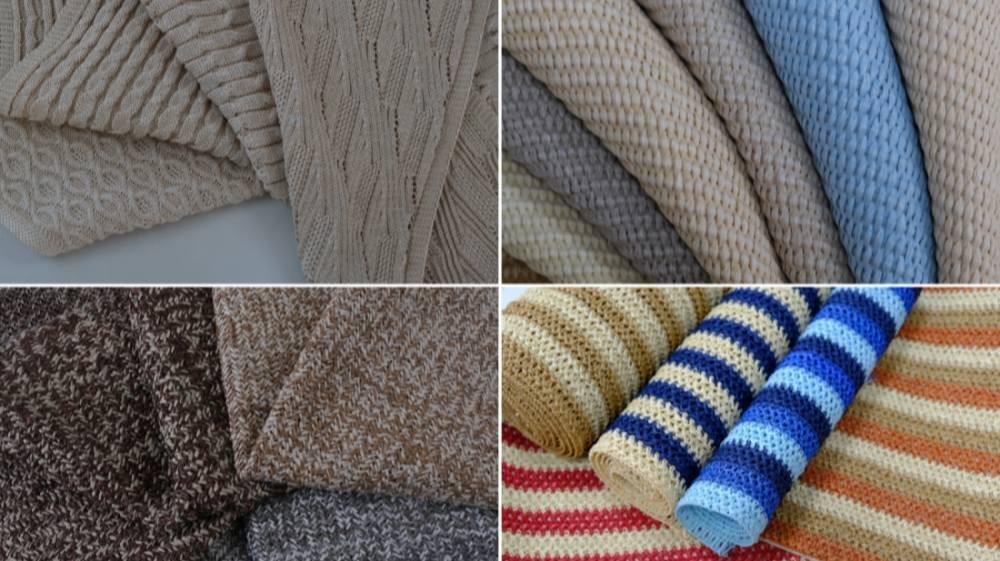
Why is blindly pursuing the highest color fastness not recommended?
Color fastness represents a fabric’s resistance to fading and color bleeding. Higher grades offer stronger color retention and weather resistance, but they come with significantly higher raw material and processing costs.
Data shows that, for fabrics of the same specifications, Grade 5 high-color-fastness fabrics cost 20%–40% more per unit than Grade 3 standard fabrics. If you are looking to purchase bulk PP straw fabric and your products are not subject to harsh environmental conditions, this premium represents a pure loss of profit.
Three Industry-Specific Material Selection Strategies: Buy What’s Right, Not What’s Expensive
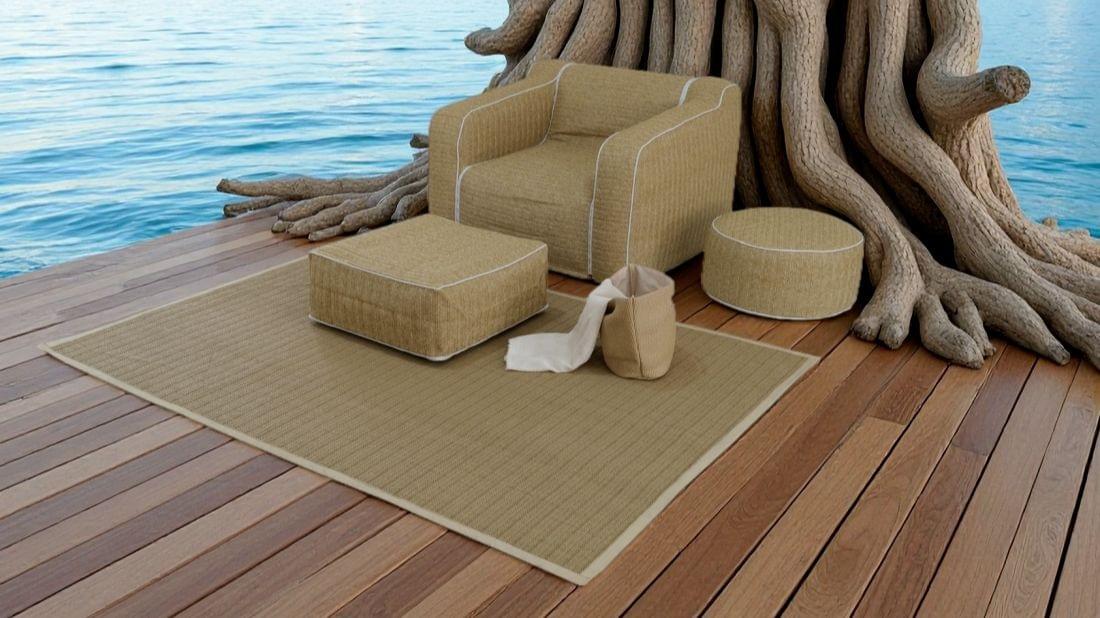
1. Outdoor Products Manufacturers (Inflatable Sofas, Beach Mats, Outdoor Cushions)
Material Selection Strategy: Prioritize high-spec materials to safeguard reputation; focus on weather resistance
For products like garden and balcony furnishings that are constantly exposed to sun and rain, selecting the right mold-resistant, UV-resistant outdoor furniture fabric is key to maintaining quality standards.
Core Performance: Must feature Grade 4–5 colorfastness, along with 2,000-hour UV resistance and mold-resistant/antibacterial properties.
Global Market Advantage: Pairing with GRS-certified woven fabric significantly lowers the entry barrier for high-end markets in Europe and the U.S.
Delivery Assurance: For large outdoor items, ESWoven offers specialized outdoor inflatable sofa fabric. By eliminating complex internal structural components, we concentrate our core strengths on the fabric’s tear resistance and rapid response capabilities, ensuring a 48-hour turnaround for orders from Europe and the U.S.
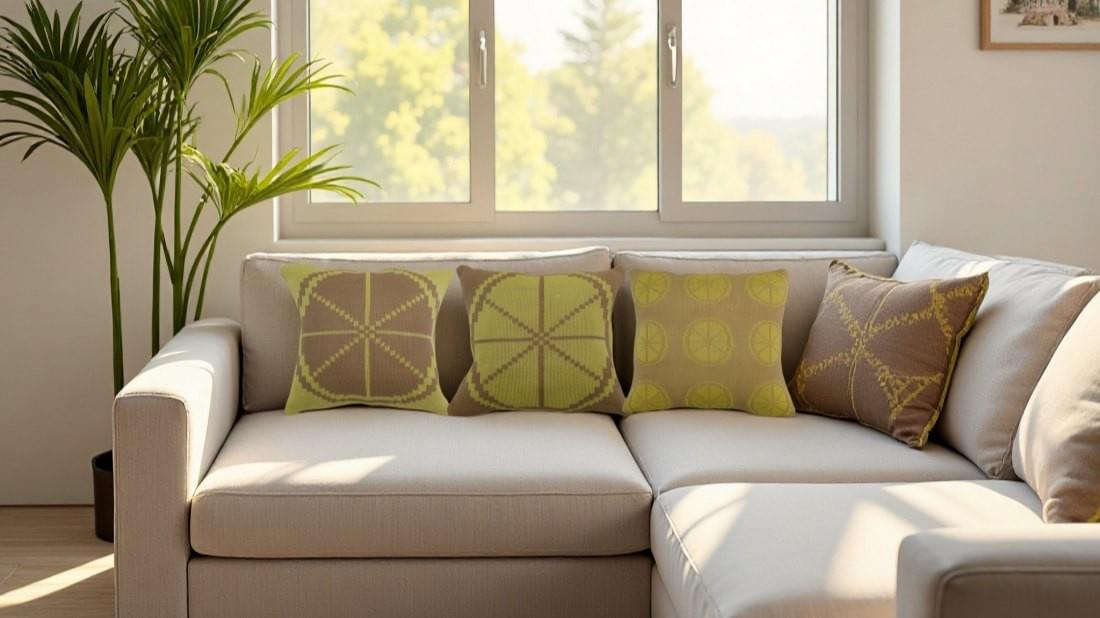
2. Home Textile Factories (Placemats, Table Runners, Indoor Pillows)
Material Selection Strategy: Just enough to meet requirements, with strict cost control
Home textile fabrics are typically kept in shaded, temperature-controlled indoor environments and are rarely exposed to strong UV radiation.
Suitability Criteria: Using fabrics with a basic color fastness rating of 2.5–3 per national standards fully meets the product’s lifecycle requirements and prevents color fading.
Stable Production: ESWoven’s machinery operates with fully standardized system parameters, ensuring consistent bulk fabric weight and texture, which helps home textile manufacturers minimize scrap rates.
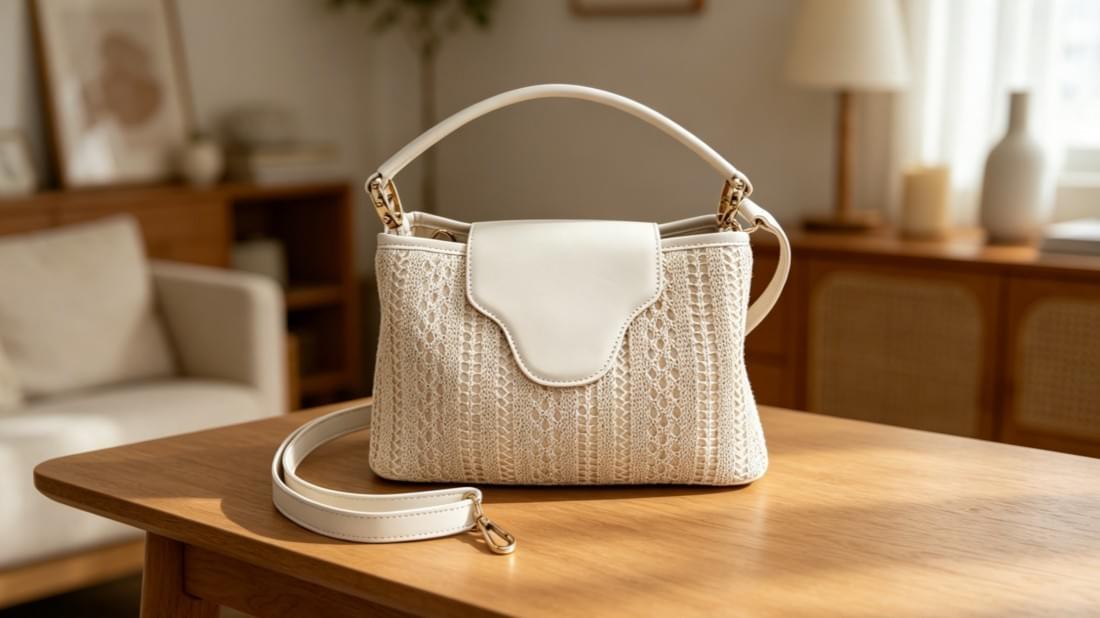
3. Luggage and Lining Factories
Material Selection Strategy: Standard protection with a focus on cost-effectiveness
Luggage is primarily used for daily commuting and is not subject to intense sun exposure.
Suitability Criteria: For bag straw fabric, a basic color fastness rating of around Level 3 is sufficient.
Pitfall Guide: Luggage manufacturers have absolutely no need to pay for outdoor-grade UV-resistant additives. Investing the savings into bag design and hardware components will better enhance the product’s overall value.
Conclusion: Customize Your Exclusive Fabric Solution
When selecting PP straw fabric, it’s not about chasing the highest specs—it’s about ensuring the right fit for the application.
If you’re looking for a reliable raffia fabric supplier to prepare for orders in the second half of the year, or if you’re unsure whether your current procurement specifications are appropriate, please feel free to contact us at any time. We will provide you with precise application-specific recommendations and systematic testing of production-grade specifications.