

With the rise of outdoor living and multi-scenario lifestyles, PP materials are reshaping the competitive landscape of home textiles through their lightweight, durable, easy-to-clean, and recyclable properties. In European and American markets, consumers no longer settle for mere aesthetics; they increasingly prioritize the practical value behind products—whether they are genuinely safe and eco-friendly, and whether their functionality aligns with real-life scenarios.
For years, ESWoven has dedicated itself to developing and innovating PP fabrics, accumulating extensive expertise in pattern design, functional optimization, and market adaptation. This has established the company as a trusted partner for numerous brands and buyers.
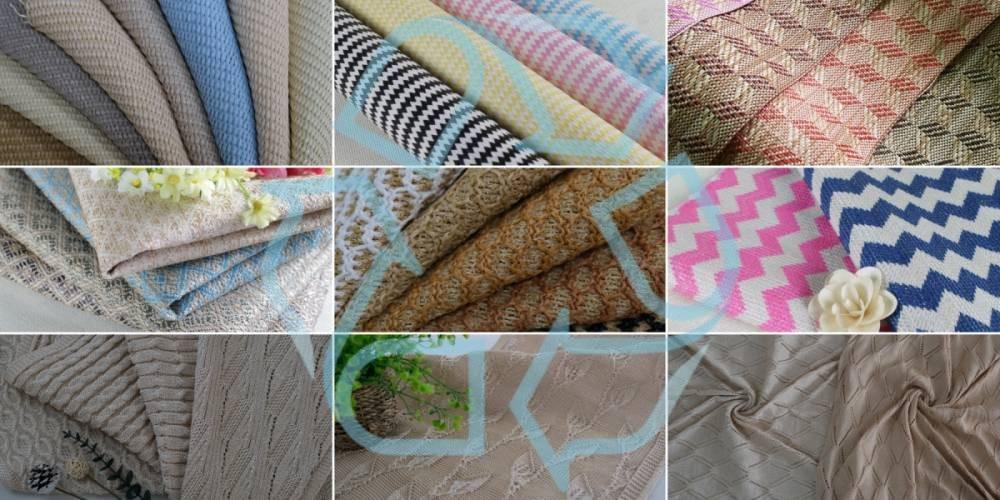
As we turn our attention across the Atlantic, what distinct expectations do buyers in North America and Europe hold for PP fabrics?
Analysis of North American Buyer Preferences
PP fabric products in the North American market often exude vibrancy and personality. In terms of patterns, consumers favor designs with distinct character and strong visual impact—bold, clean stripes; minimalist, modern geometric shapes; or neutral styles incorporating retro elements. These fabrics are widely used in outdoor cushions, sofa pillows, tablecloths, and similar products, offering not only eye-catching visual appeal but also versatile styling options.
Regarding color, the North American market places particular emphasis on colorfastness to ensure products maintain their vibrancy during prolonged outdoor use. Seasonal shifts in color palettes reveal intriguing patterns: bright blues and orange-yellows dominate spring and summer collections, paired with neutrals like white and gray to create cheerful atmospheres. Meanwhile, classic year-round collections consistently feature neutral tones such as black, beige, and natural hues as staples.
Functionality-wise, North American buyers prioritize practical performance: waterproofing, stain resistance, easy cleaning, and weather durability are now fundamental requirements. Environmental and safety standards are equally critical—compliance with FDA food contact regulations, formaldehyde-free certification, and 6P-free requirements are essential for entering mid-to-high-end markets.
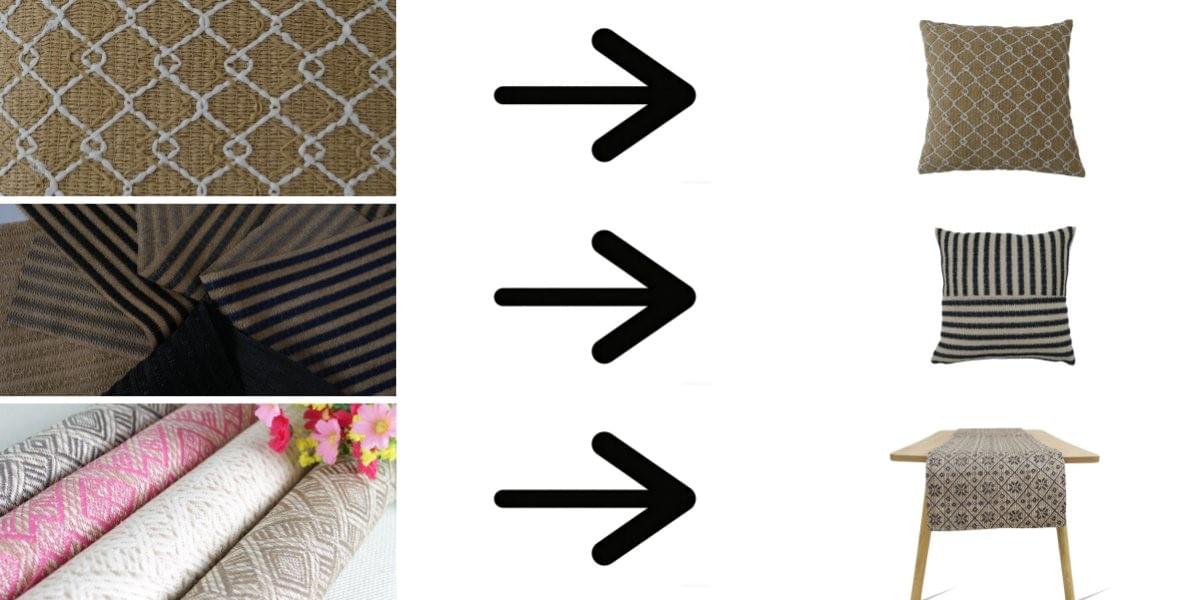
Analysis of European Buyer Preferences
Compared to the boldness of North American tastes, European markets exhibit a more understated and refined approach to PP fabric selection. They favor elegant, romantic styles—delicate floral prints, soft geometric patterns, or subtle repeating motifs. These designs not only possess enduring appeal but also blend seamlessly with natural environments and home settings.
Notably, European clients place exceptional emphasis on fabric “tactility.” Even with synthetic materials like PP, they seek a soft, natural-fabric-like feel, avoiding any harsh plastic texture.
Regarding color palettes, European buyers favor natural, low-saturation hues. These tones offer visual comfort and longevity while aligning with European consumers' embrace of sustainable lifestyles.
Environmental sustainability is a core consideration in the European market, where products utilizing recycled materials and holding GRS certification gain a competitive edge. Furthermore, European buyers strongly endorse the concept of “waste reduction,” demonstrating willingness to pay a premium for customized services like specific widths and weights. This reflects not only cost control considerations but also a proactive commitment to environmental responsibility.
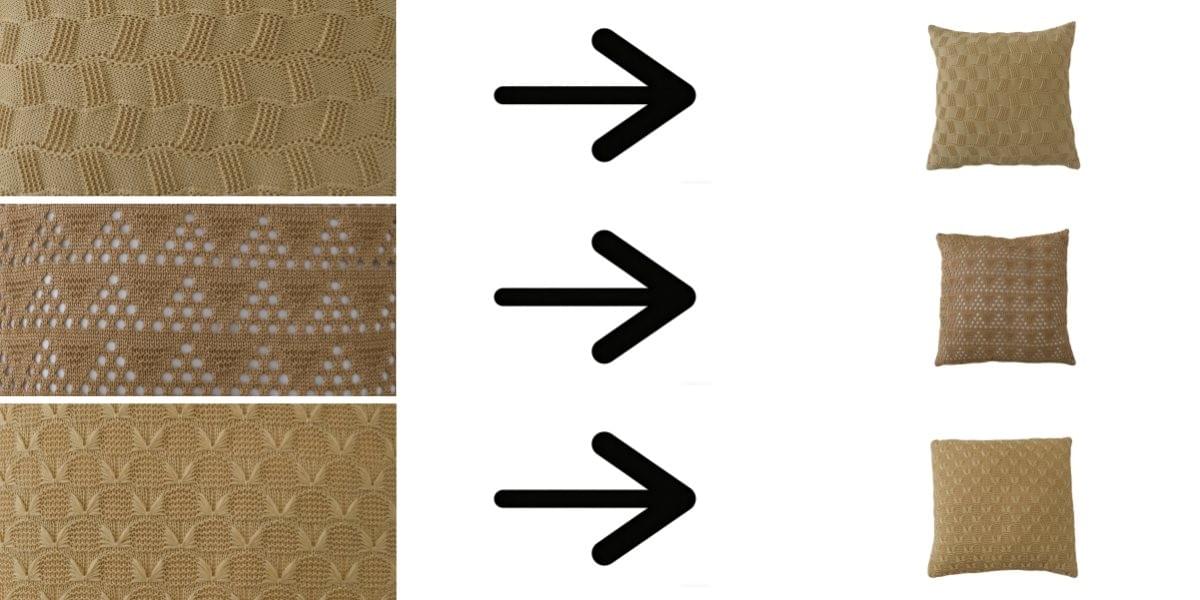
ESWoven's Cross-Market Response Strategy
Facing differing aesthetic and functional demands in North America and Europe, ESWoven has established a rapid response mechanism through continuous product development and market insights. Each year, the company launches 50–80 new patterns, spanning bold designs favored in North America to the refined styles preferred in Europe, ensuring customers always find suitable options.
ESWoven has developed a sophisticated “selection logic” that precisely recommends the most suitable patterns and color combinations based on a client's price range, channel attributes, and target audience, significantly shortening the cycle from design to finished product.
Functionally, ESWoven not only guarantees fabrics possess practical properties like high colorfastness, water resistance, and mildew resistance, but also proactively complies with regional environmental standards—from FDA and 6P to GRS and AZO Free—paving the way for clients to enter target markets smoothly.
Service-wise, ESWoven reduces material waste through customized fabric widths, supplemented by base inventory and marketing material support to lower upfront investment and accelerate new product launches.
Conclusion
The true appeal of PP fabrics in European and American markets lies in their ability to resonate with diverse regional lifestyles and aesthetic preferences through the artful integration of patterns, colors, and functionality.
At ESWoven, we believe exceptional fabrics speak for themselves. We deliver not just products, but market insights and comprehensive support. If you seek a PP fabric partner who understands design, functionality, and environmental compliance, ESWoven looks forward to collaborating with you.
The next market sensation may unfold the moment you open our sample book.