

Driven by the continuous expansion of the global outdoor leisure sector, demand for outdoor home furnishings and camping gear has maintained steady growth, pushing the wholesale market for outdoor weather-resistant fabrics into a new phase of development. According to public industry forecasts, the global outdoor home market is expected to exceed USD 100 billion in 2025. China’s soft furnishing market maintains an annual compound growth rate of over 8%. Coupled with rising overseas demand, the industry continues to unlock broad growth potential. Meanwhile, downstream clients are setting stricter standards for fabric performance, environmental protection and delivery, triggering profound structural changes across the sector.
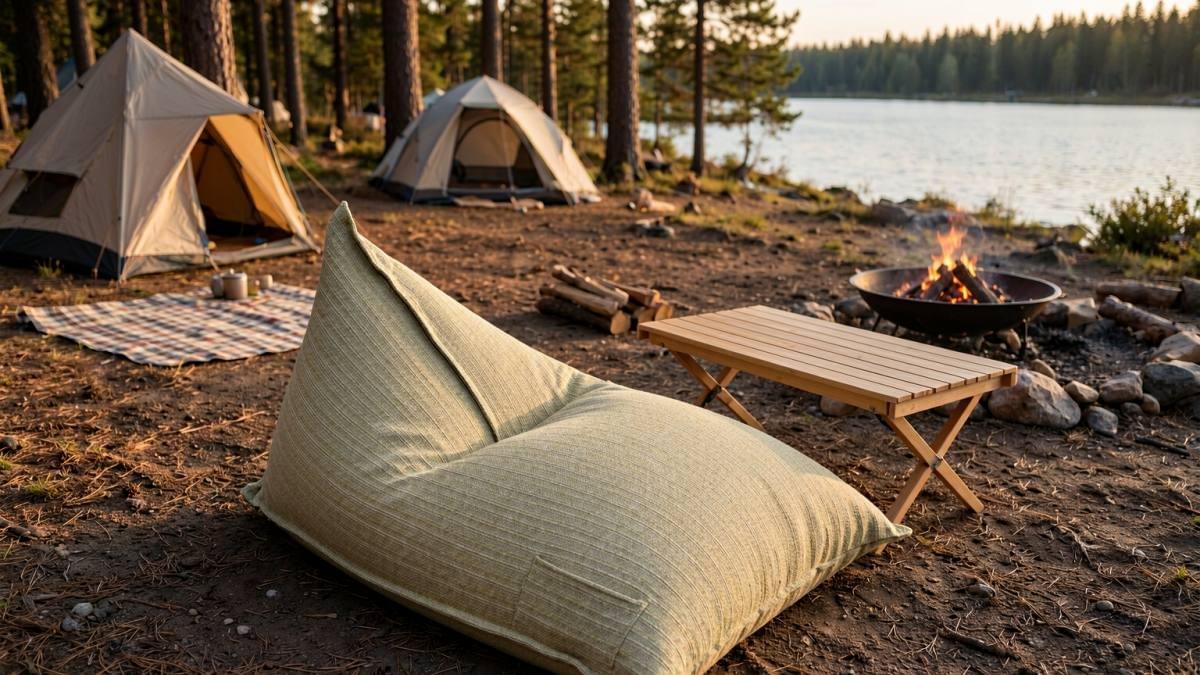
In-depth Analysis: Three Core Trends Reshaping the Industry
1. Functional Weather Resistance Upgrade to Match Global Outdoor Market Growth
As outdoor application scenarios expand, downstream markets demand superior weather resistance from fabrics. Conventional fabrics cannot withstand long-term exposure to sunlight, rain and moisture in outdoor environments. High-performance weather-resistant fabrics integrated with UV resistance, water repellency, mildew resistance and other composite functions are seeing surging demand. Functionalization has become a clear industry direction. Manufacturers must upgrade technologies to improve fabric weather resistance to meet the requirements of premium outdoor end products.
2. Environmental Compliance: A Mandatory Entry Ticket for Overseas Markets
In recent years, overseas supermarkets and brands have tightened environmental testing standards for imported fabrics. Standards such as AZO and REACH have become market access thresholds. Suppliers with valid compliance test reports and eco-certifications are more likely to secure overseas orders. Fueled by the global sustainable consumption trend, downstream brands prefer recycled and eco-friendly fabric materials. Environmental compliance is no longer an optional competitive advantage; it is a prerequisite for conducting export business.
3. Integration of Customization and Bulk Supply
Intensified differentiation competition among downstream brands has popularized customized fabric demands. Clients put forward personalized requirements on fabric texture, width, hand feel and other parameters. At the same time, bulk orders remain the mainstream of the market. Manufacturers need to accommodate both small-batch custom sampling and large-volume bulk supply. Only by balancing production flexibility and delivery stability can suppliers match the production schedules of diverse customers.
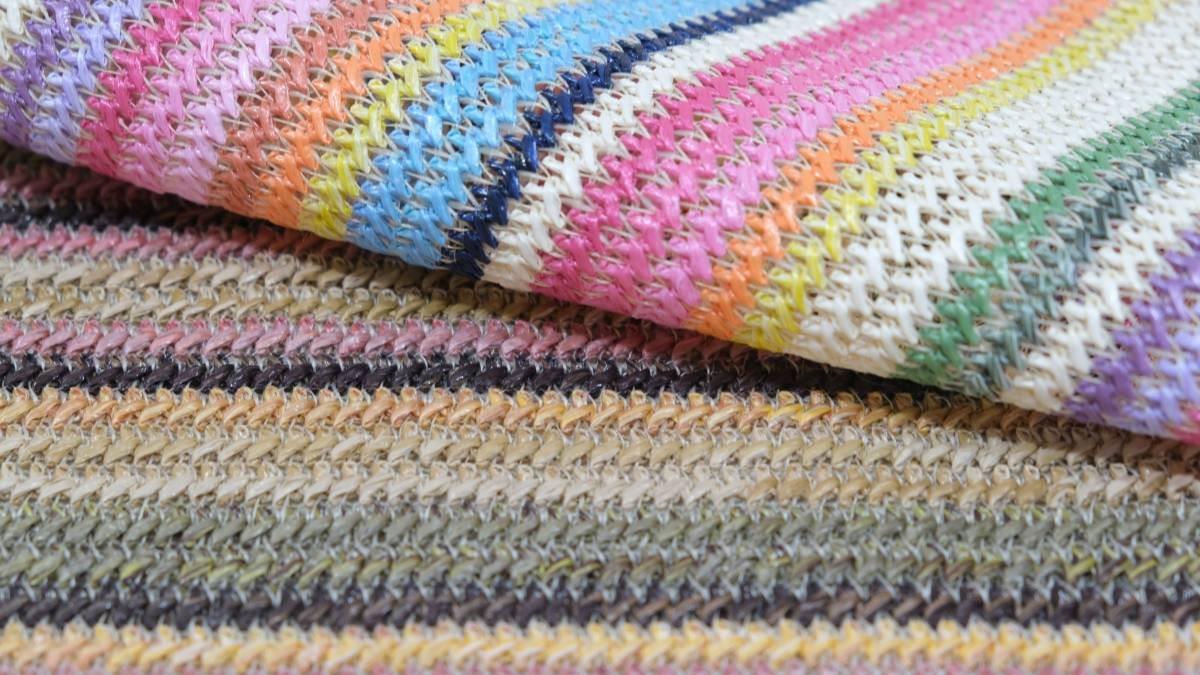
New Challenges & Capability Requirements for Manufacturers
The three trends above are reshaping the competitive landscape and imposing new capability requirements on wholesale fabric suppliers. First, manufacturers need continuous R&D capabilities for functional fabrics, iterating technologies to enhance weather resistance and keep up with rising market standards. Second, a sound compliance management system is required to provide complete sets of third-party environmental certification documents and mitigate clients’ cross-border compliance risks. Third, a flexible production and delivery system must be established to support fast sampling & small-batch customization while ensuring stable delivery for large orders, balancing customized needs and cost efficiency.
Suppliers failing to meet these requirements will gradually exit the mid-to-high end and overseas markets. In contrast, enterprises that have built up these capabilities in advance will capture more market opportunities.
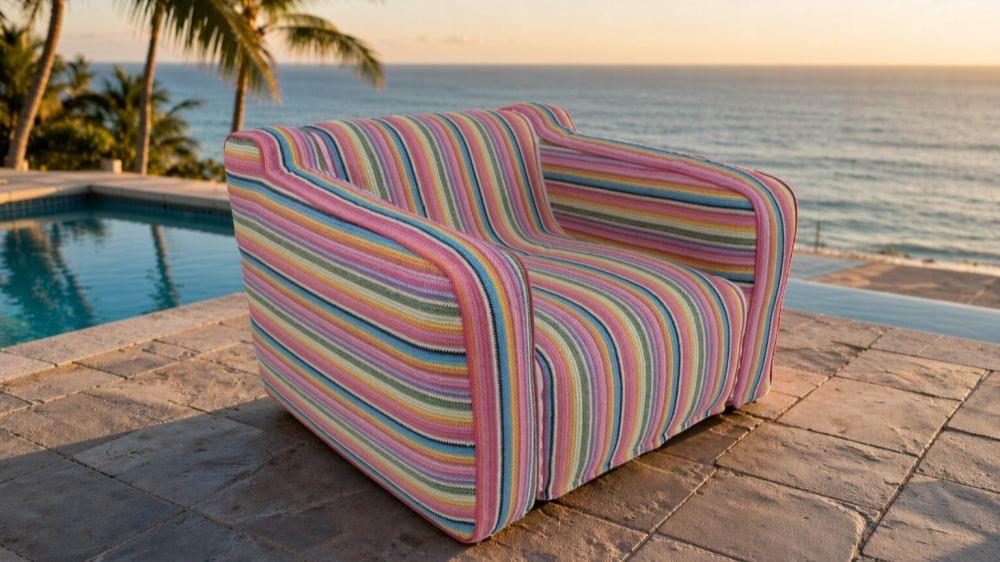
Practical Roadmap: Insights from Pioneering Manufacturers
In response to emerging industry trends, source factories with years of experience in raffia fabric and production have developed mature operational models. ESWoven Factory, located in Luqiao District, Taizhou City, has specialized in straw fabric and manufacturing for 26 years. The factory develops and produces custom PP grass, PE grass, paper grass and other raffia straw fabric, with a 5,000 ㎡ production base and stable annual output of 1 million meters. It serves numerous export enterprises and foreign clients, with products sold to dozens of countries worldwide.
To address market demand for outdoor weather-resistant fabrics, the factory independently developed high weather-resistant PE woven fabric. With a modified UV-stabilized composite formula, the fabric achieves Grade 4 weather resistance rating after 2000-hour light exposure, complying with market access standards for premium outdoor products in Europe and America. For environmental compliance, the factory holds GRS recycled certification and can provide full sets of authoritative third-party test reports, helping clients reduce cross-border trade compliance risks. In terms of delivery, 3-day fast sampling is available. The factory flexibly supports small-batch customization and large-volume bulk supply to satisfy diversified client requirements.
Case reference: When an overseas outdoor soft furnishing fabric wholesaler developed premium new outdoor products, customized heavy-weight weather-resistant PE raffia fabric was required. The initial trial order was small with stringent technical specifications. Yiqiang allocated dedicated equipment and optimized production processes to complete sample development and small-batch production. The finished straw fabric met all client specifications, leading to a long-term stable customized supply partnership.
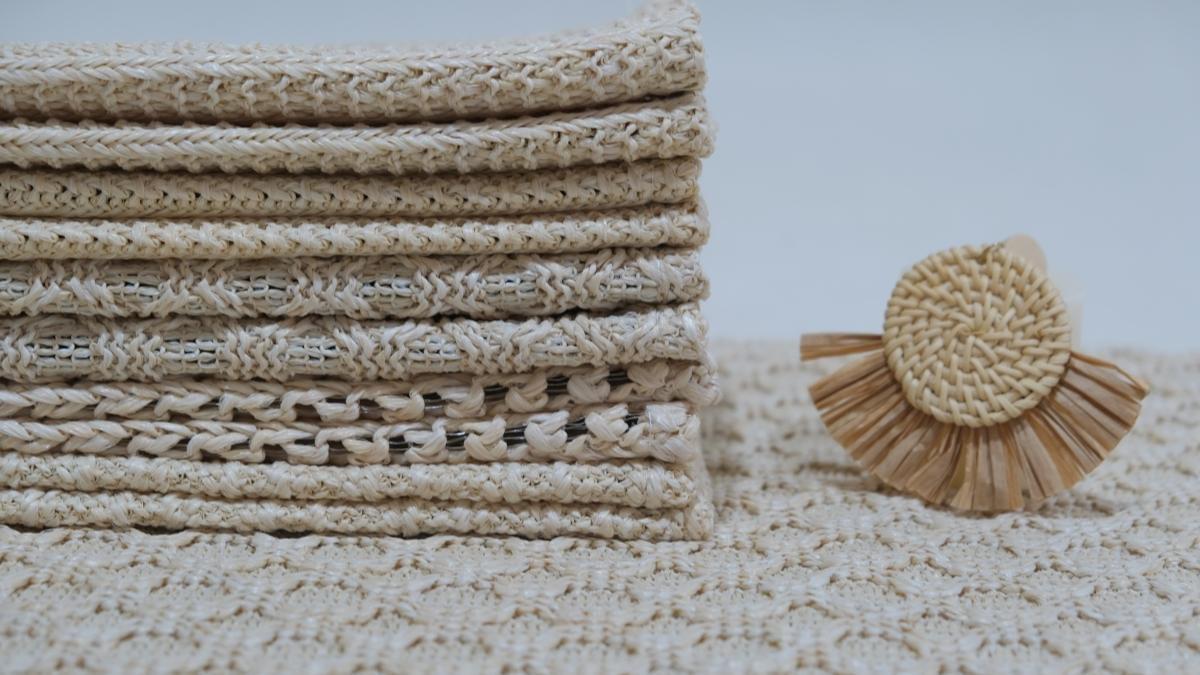
Conclusion: Seize Opportunities in Outdoor Weather-resistant Fabric Wholesale
In the coming period, the wholesale industry of outdoor weather-resistant fabrics will keep evolving toward enhanced functional weather resistance, full environmental compliance, and integrated customization & bulk supply. Growth of the global outdoor market and rising overseas demand bring vast market opportunities. Manufacturers can build competitive edges amid industrial transformation only by keeping pace with trends, investing in technical R&D, compliance system construction and delivery capability upgrading.
For downstream B2B manufacturers, partnering with capable source suppliers will help them better respond to market changes and develop competitive end products.
If you need custom high weather-resistant raffia straw fabric, feel free to contact us for fabric samples, test reports and quotation proposals.