

For factories manufacturing patio sofas and outdoor furniture for European and American markets, you have likely encountered these frustrating scenarios. Fabric samples look perfect, yet bulk goods fade and turn brittle after one summer of exposure in end-customers’ yards. Entire fabric shipments arrive moldy after a month-long ocean transit, triggering customer claims. Large-volume orders suffer batch-to-batch color deviation, resulting in mismatched furniture sets and outright rejection by brand buyers.
Many buyers place orders simply by asking one question: “Is this fabric waterproof?” But waterproof performance is only a basic requirement. The factors that truly determine order success go far beyond that.
Distinguish Water Repellency from Waterproof Performance
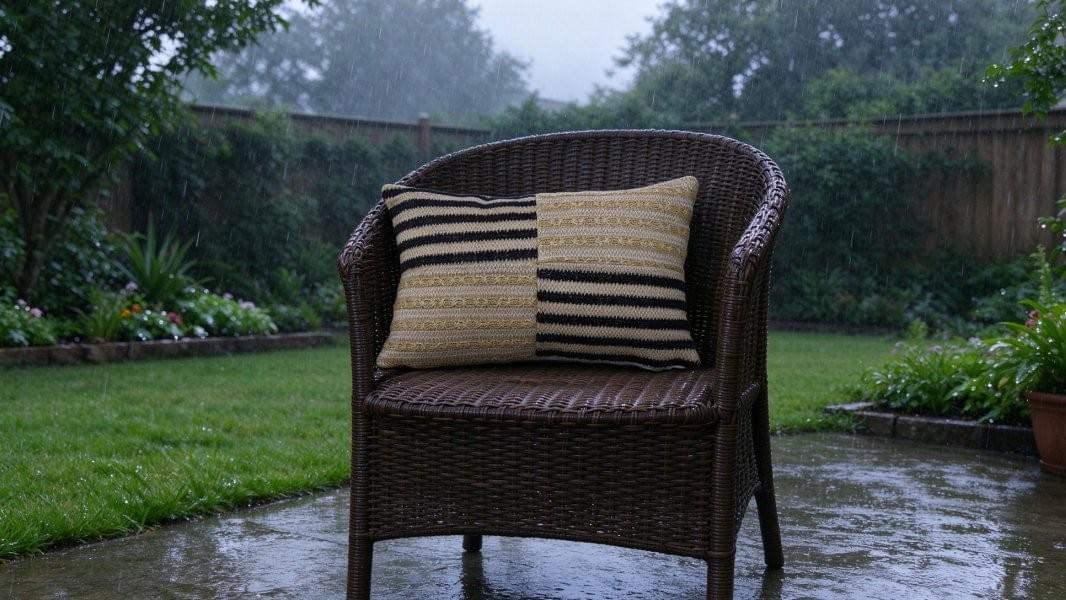
Some outdoor fabrics achieve waterproofing via surface coating. While they repel water in short-term tests, long-term outdoor exposure combined with sunlight and thermal cycling causes coatings to crack and peel. Waterproof capability disappears completely, and unpleasant odors may occur.
PE and PP woven raffia fabrics gain water repellency from their polymer-based material itself. Without capillary pores found in plant-based fibers, water cannot penetrate the fabric, leaving no breeding ground for mold. For furniture manufacturers, this brings a key practical benefit: fabrics resist mold even inside highly humid shipping containers, significantly lowering the risk of arrival-related claims.
UV Resistance & Color Fastness: Make-or-break Metrics for Outdoor Furniture
Patio furniture stays exposed to sunlight year-round. Poor weather resistance leads to yellowing and brittleness within just a couple of seasons. Do not rely on verbal UV-resistance claims — always request third-party test reports.
PE woven fabrics adopt compound UV-resistant modification and masterbatch melt-dyeing technology. Pigments are integrated inside fibers instead of sitting only on the surface. Natural-tone variants achieve Grade-4 color fastness under 2000-hour xenon-arc exposure. Since outdoor furniture is sold as coordinated sets, sofas and cushions must match perfectly. Reliable color-difference control directly drives repeat orders from brand clients.
Processability Directly Impacts Your Production Costs
Low-cost fabrics often show critical flaws on automated cutting tables and high-speed sewing machines: edge chipping, yarn breakage during stitching, and excessive fabric waste. When you factor in scrap losses, these budget options end up costing more overall.
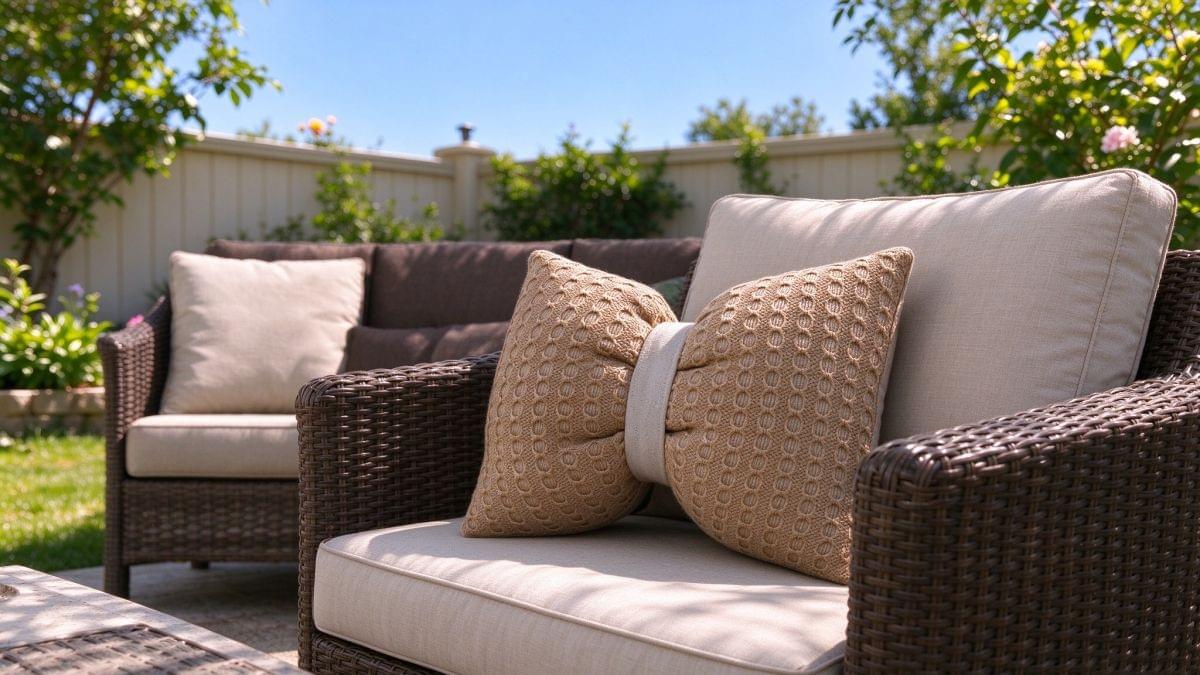
Modified-toughened PE / PP synthetic raffia fabrics deliver superior tear strength. They feature even fabric surfaces and anti-fray edges, compatible with your existing automated production equipment with no tooling modifications. Both mass-production efficiency and material waste levels stay well-controlled.
Breathability Prevents Condensation & Trapped Moisture
When sourcing outdoor fabric, tighter does not equal better. Fully air-impermeable fabrics trap moisture between fabric and foam cushions, causing condensation and shortening foam service life. By tuning woven pore structures, synthetic woven fabrics maintain water repellency while preserving air circulation. Rainwater runs off, air flows through, and cushions stay comfortable for extended use.
Compliance & Lead Times: Hidden Barriers for Export Orders
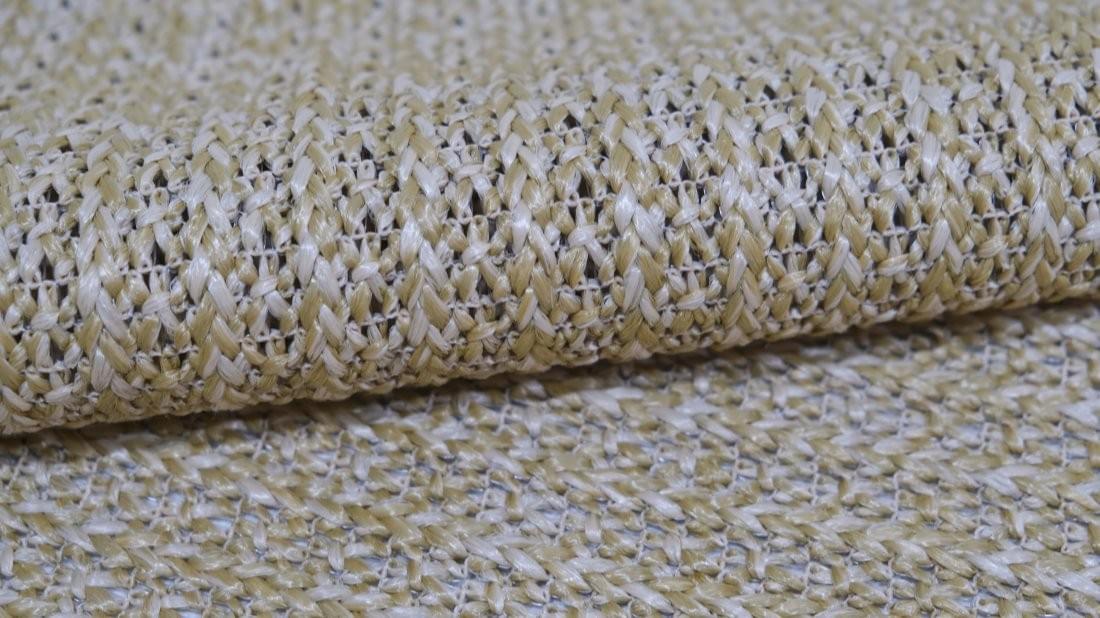
Serving EU and US markets requires REACH compliance and complete third-party test documentation. PP / PE fabrics qualify for GRS recycled certification, satisfying brand sustainability requirements. Containing no botanical materials, synthetic raffia avoids complex plant-quarantine procedures required for natural woven alternatives and streamlines customs clearance. Standardized industrial quality control ensures stable output unaffected by seasonal harvest cycles, so you can confidently accept orders even during peak seasons.
Have you run into any pitfalls during fabric procurement? Was it UV-induced degradation, ocean-shipping mold issues, or unmanageable batch color deviation?
If you are developing new patio-furniture lines and unsure which fabric specifications fit your target market, leave a note describing your application and order volume. We can send physical fabric swatches together with technical datasheets and test reports to help you mitigate risks at the sampling stage.