

PP woven fabric is a functional woven material produced using industrial weaving processes, with polypropylene (PP) as its primary base material. It replicates the natural texture of traditional straw weaving while addressing industry pain points—such as susceptibility to mold, brittleness, and inconsistent quality control—through polymer modification techniques.
As consumer demand for eco-friendly, natural-style luggage continues to rise, an increasing number of luggage brands are turning their attention to woven fabrics. Thanks to its advantages in industrial-scale mass production, PP woven fabric has gradually become a popular choice in the custom luggage sector, and whether it is suitable for luggage production has become a focal point of industry attention.
Core Performance Analysis: Key Characteristics of PP Woven Fabric for Luggage
Tear Resistance and Abrasion Resistance
High-quality PP straw-weave fabric enhances fiber tensile strength through a modification and toughening process applied to PP monofilaments. The tensile strength of a single yarn can reach over 50 N. Combined with precisely controlled warp and weft weave densities, the fabric’s overall tear resistance and abrasion resistance outperform those of natural straw-weave fabrics. This enables it to withstand the friction and tugging encountered during daily use of luggage, thereby extending the service life of the finished products.
Suitability for Stiffness
PP straw-woven fabric can be customized for different thicknesses and levels of stiffness by adjusting yarn thickness and warp and weft densities. It is suitable for everything from lightweight, soft-sided bags to rigid, structured luggage, meeting the structural requirements of various bag styles and helping brands create differentiated product designs.
Mold-Resistant Properties
PP is a non-polar, hydrophobic material with low water absorption. Unlike natural plant fibers, its internal structure lacks the porous channels where mold can thrive, making it difficult for mold to colonize and reproduce. It offers long-lasting mold resistance without the need for additional water-repellent coatings, making it suitable for storage in humid environments and transoceanic shipping, thereby reducing post-sale issues related to mold growth in finished bags.
Ease of Processing
Industrially produced PP straw-weave fabric features a smooth surface and consistent width, with edges that resist fraying and unraveling. The material offers moderate toughness and is compatible with standard luggage processing equipment, such as automated cutting tables and sewing machines. It can be processed directly without special tooling, thereby improving processing efficiency and reducing production waste.
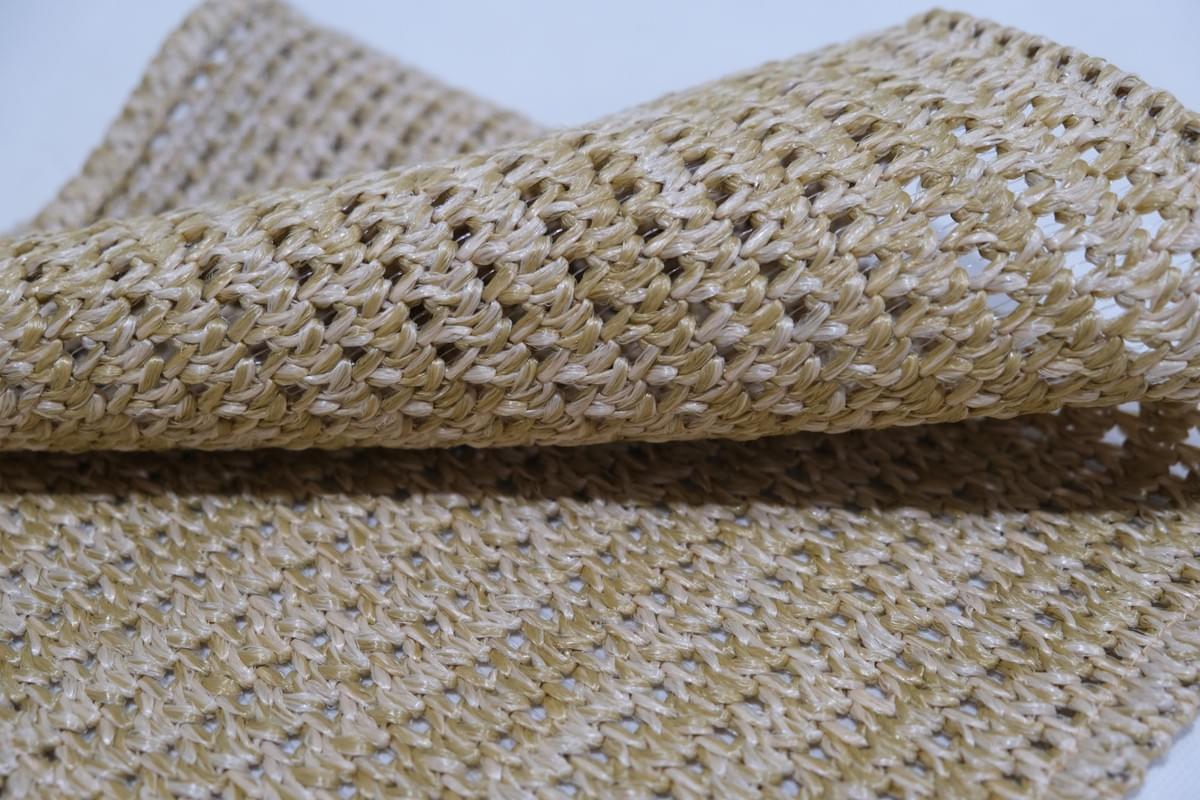
Objective Evaluation: Advantages and Disadvantages of PP Straw-Weave Fabric Compared to Traditional Luggage Fabrics
Compared to traditional natural straw-woven fabrics, PP straw-woven fabric offers significant advantages in terms of abrasion resistance, tear resistance, and mold resistance. Furthermore, it is not subject to seasonal harvest constraints, allowing for stable, year-round bulk supply, making it better suited for large-scale luggage production. Compared to conventional luggage fabrics such as polyester canvas and Oxford cloth, PP straw-woven fabric features the natural texture of straw weaving, offering a more distinctive, natural aesthetic that aligns with current eco-friendly and retro consumer trends.
PP straw-woven fabric also has certain limitations: compared to high-strength industrial synthetic fabrics, its overall tensile strength is slightly lower than that of high-end polyester fabrics, making it unsuitable for outdoor functional luggage designed for extreme heavy loads. Additionally, some low-end PP straw-woven products may suffer from insufficient colorfastness and significant color variation between batches, necessitating the selection of suppliers with stable quality control systems.
Key Application Scenarios: Which bag categories are suitable for PP straw-woven fabric?
Affordable Luxury Woven Women’s Handbags: The natural texture of PP straw-woven fabric aligns with the style positioning of affordable luxury women’s handbags. Its consistent mold-resistant properties address mold issues during long-term ocean shipping in cross-border e-commerce, while its ease of processing supports automated mass production, helping brands launch new products quickly.
Outdoor leisure bags: The water-repellent and mildew-resistant properties of PP straw weave make it suitable for humid outdoor environments. Its abrasion and tear resistance meet the demands of outdoor use, while its natural appearance balances practicality with aesthetic appeal, making it ideal for outdoor leisure activities.
Eco-Friendly Custom Luggage: As a recyclable material, PP complies with international environmental standards and aligns with brands’ sustainable marketing needs. It supports full-parameter customization of textures and colors, meeting luggage brands’ needs for differentiated customization and helping to build exclusive product recognition.
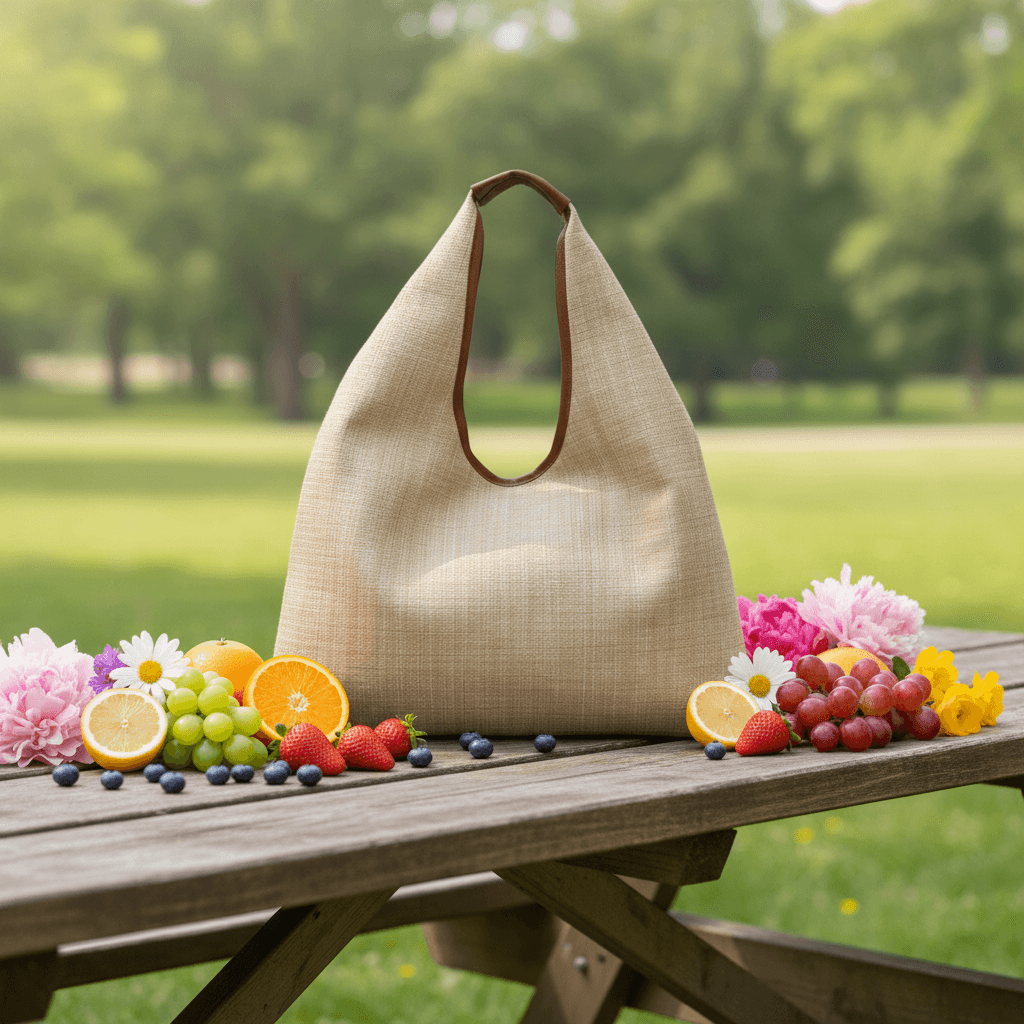
Technical Practices and Future Outlook
So, how can the performance advantages of PP straw-woven fabric be transformed into a stable solution suitable for luggage production?
As a source factory with 26 years of experience in the R&D and production of straw-woven fabrics, Taizhou Luqiao District Yiqiang Craft Straw Weaving Factory has been committed to promoting the application of PP straw-woven fabric in the luggage industry. Its core product—PP straw-woven fabric—is the result of mature practical experience in this field. Through a modification and toughening process for PP monofilaments, the fabric enhances its tear resistance and abrasion resistance. Leveraging the inherent hydrophobic properties of PP, it achieves long-lasting water repellency and mold resistance. The use of modified color masterbatches for fusion dyeing ensures consistent color across batches. The fabric supports fully customizable luggage specifications—including patterns, widths, and stiffness—and can meet the full-chain requirements from sample production to large-volume export orders. The product has passed multiple international environmental certifications and complies with cross-border export regulations.
In the future, with the continued growth of global eco-friendly consumption trends and the natural-style luggage market, the application potential of PP straw-weave fabric in the luggage customization sector will expand further. The industry will also continue to evolve toward more eco-friendly recycled materials, more precise stiffness customization, and higher weather resistance, providing the luggage industry with more high-quality, differentiated fabric options.